Call of Cthulhu
Investigative horror in the shadow of the Mythos.
A short tour before your first case.
Turn your device sideways for a larger slide.
Investigative horror in the shadow of the Mythos.
A short tour before your first case.
Trains run. Newspapers print. Police take statements. Under that ordinary surface, older things wait — and noticing them has a price.
You win by learning. Learning frays the mind. Sanity is a resource, not flavor text.

You are ordinary people with a reason to ask questions. Courage is optional. Curiosity is not.
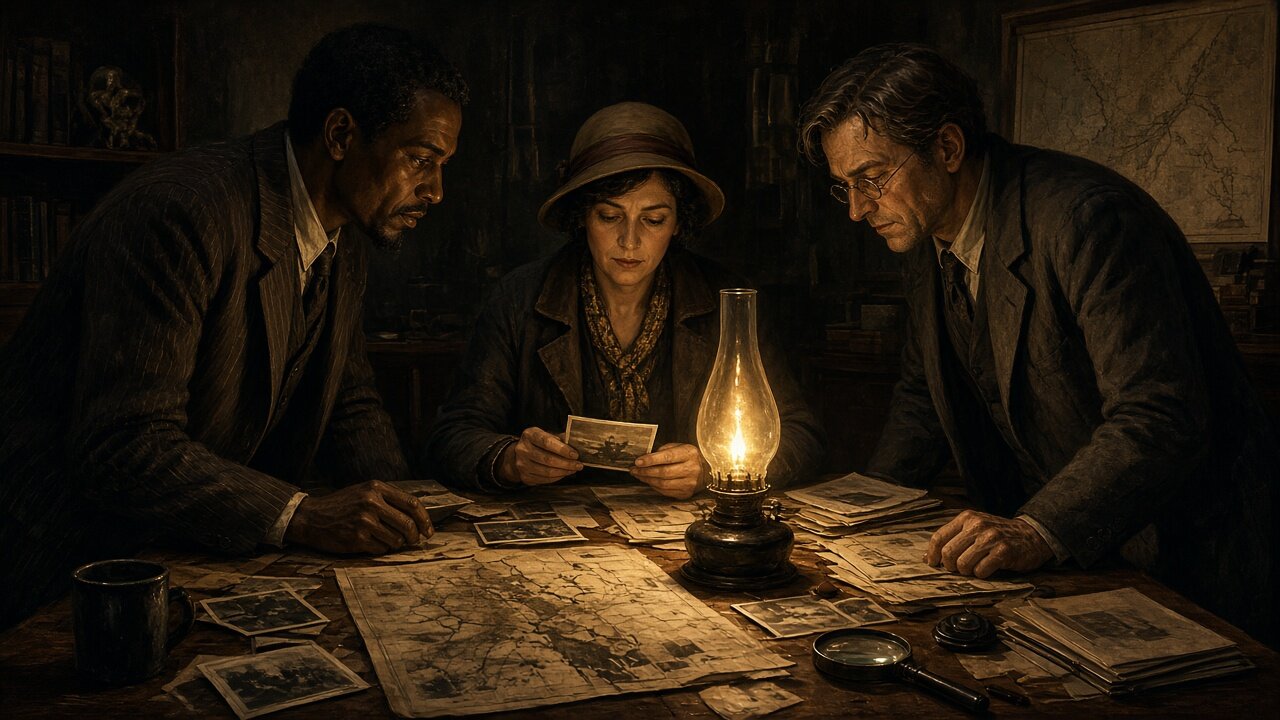
Cosmic indifference, not a fair fight. Survive the case. Save who you can. Leave the rest to the dark.
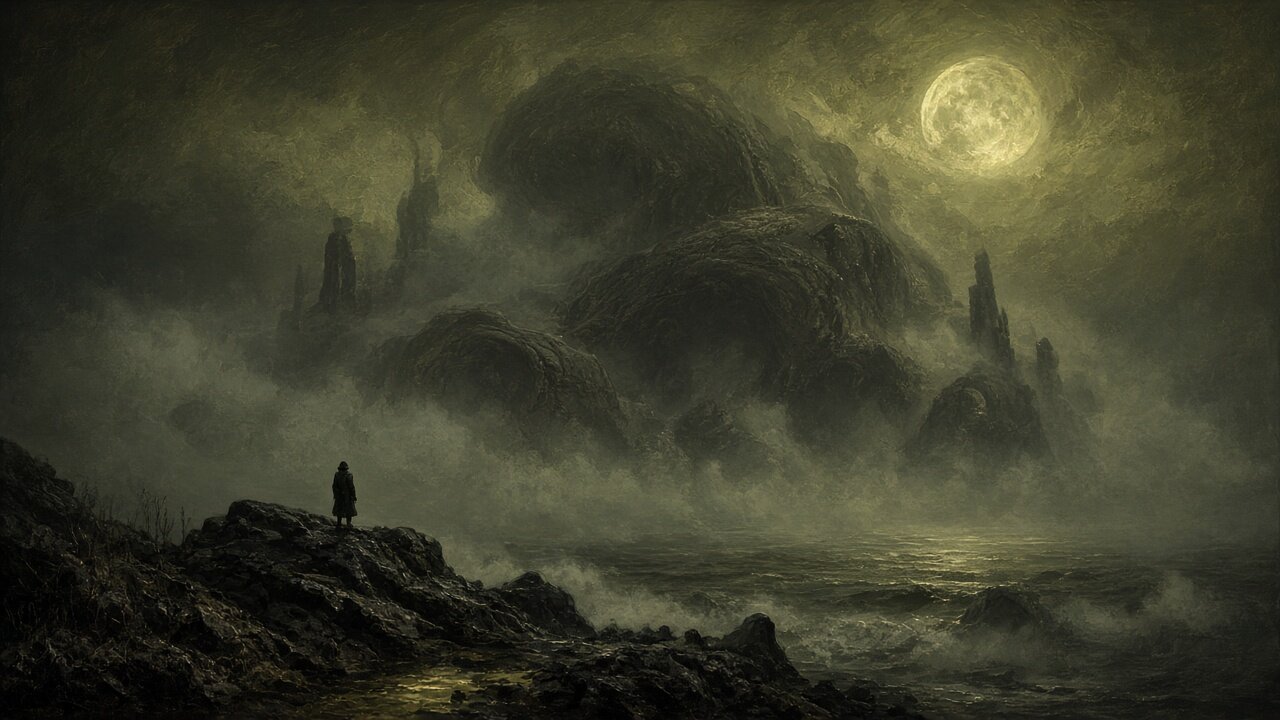
You do not need Lovecraft memorized. The table will teach you what matters — and what you wish you had not learned.
A tabletop RPG of clues, conversations, and things that should stay buried. One Keeper runs the world. Everyone else plays an investigator.
Scenes, witnesses, documents, dead ends. The puzzle is the adventure.
Combat is rare and lethal. Talking, researching, and sneaking do more work than a gun.
Piecing the truth together — then deciding how much of it you can live with.
New England is classic — Arkham, Innsmouth, Boston — but the Mythos is worldwide. Pulp, modern, and gaslight eras exist. Ask your Keeper which map you’re on.
Telephones exist. Computers do not. A letter takes days. A secret can still hide in a filing cabinet — or under the sea.
Banks, churches, universities. Most people never look past the headlines.
Whispers, rituals, books that should not have been printed. Someone always digs.
Entities and truths older than humanity. Naming them is half the danger.
Follow the thread. Stop what you can. Accept that some doors stay shut for a reason.
The Keeper will reveal only what your investigators discover. Spoilers are for other tables.
You may never fight these. You may only hear of them. That is often the kinder outcome.
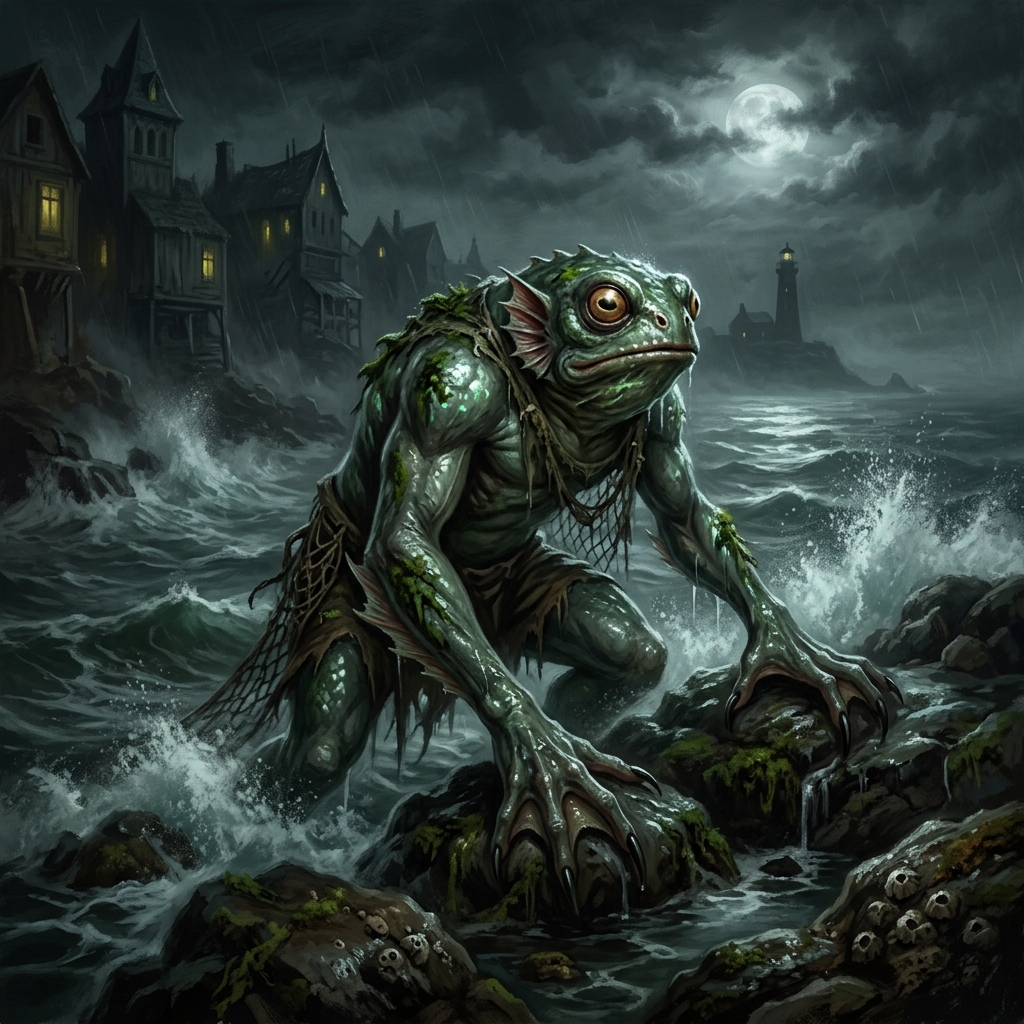
Sea-blooded hybrids and the cities under the waves.
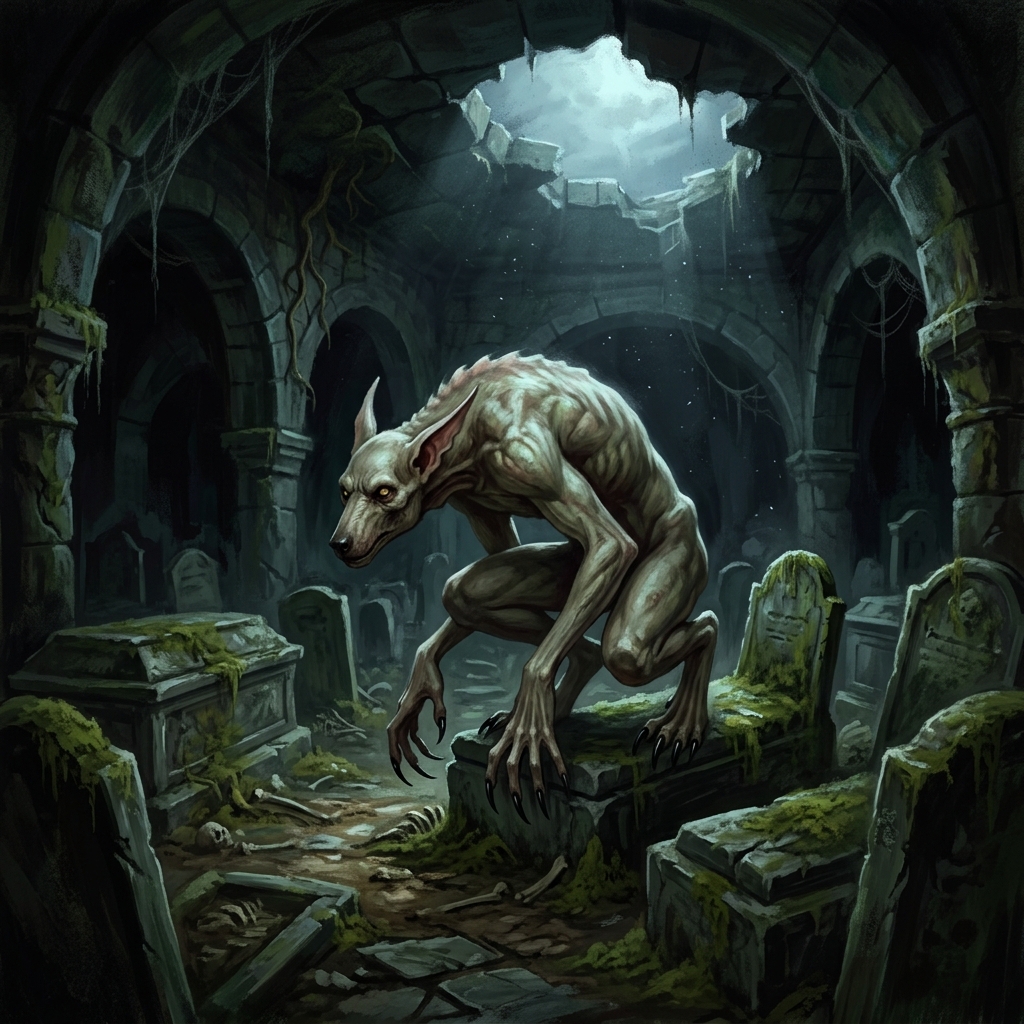
Tunnelers under graveyards. Hungry, patient, sometimes talkative.
Fungi from Yuggoth. Science that does not care about your skull.
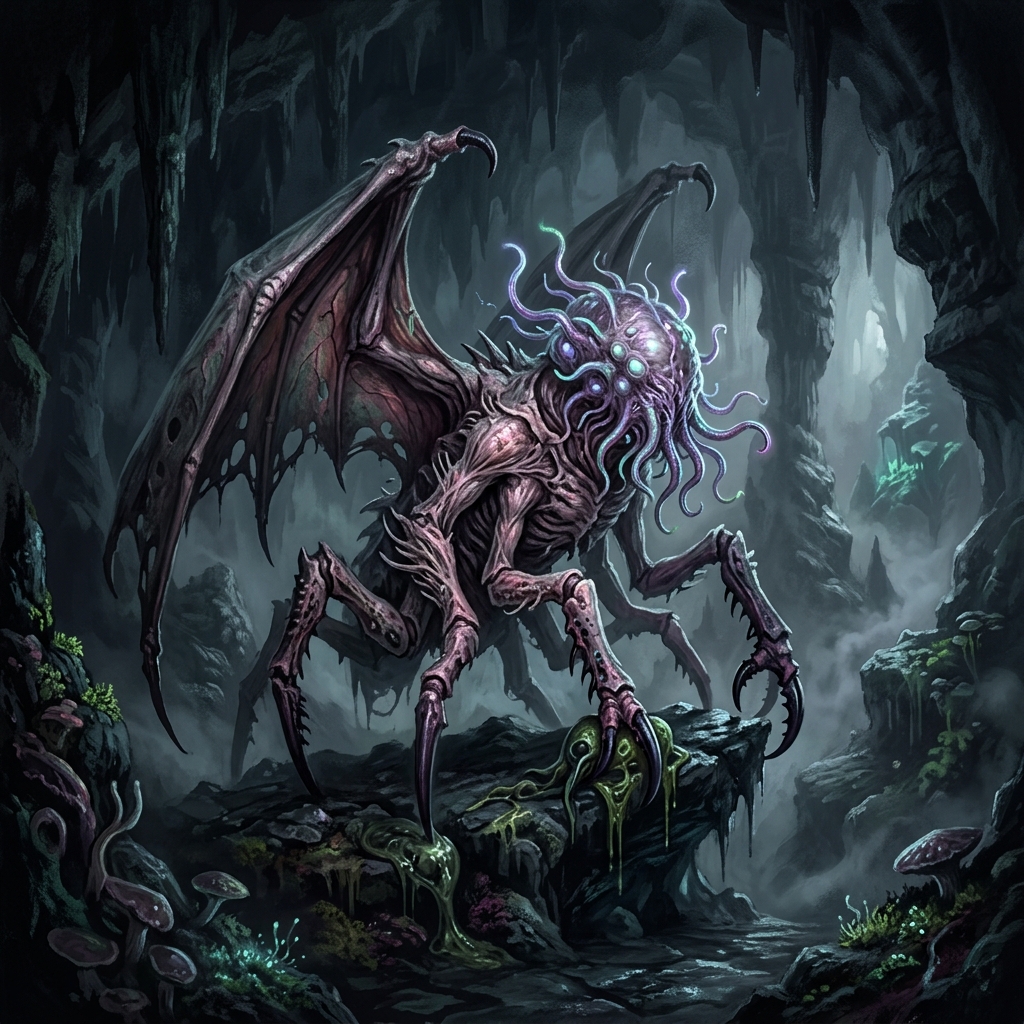
Protoplasmic labor that outlived its makers. Do not corner one.
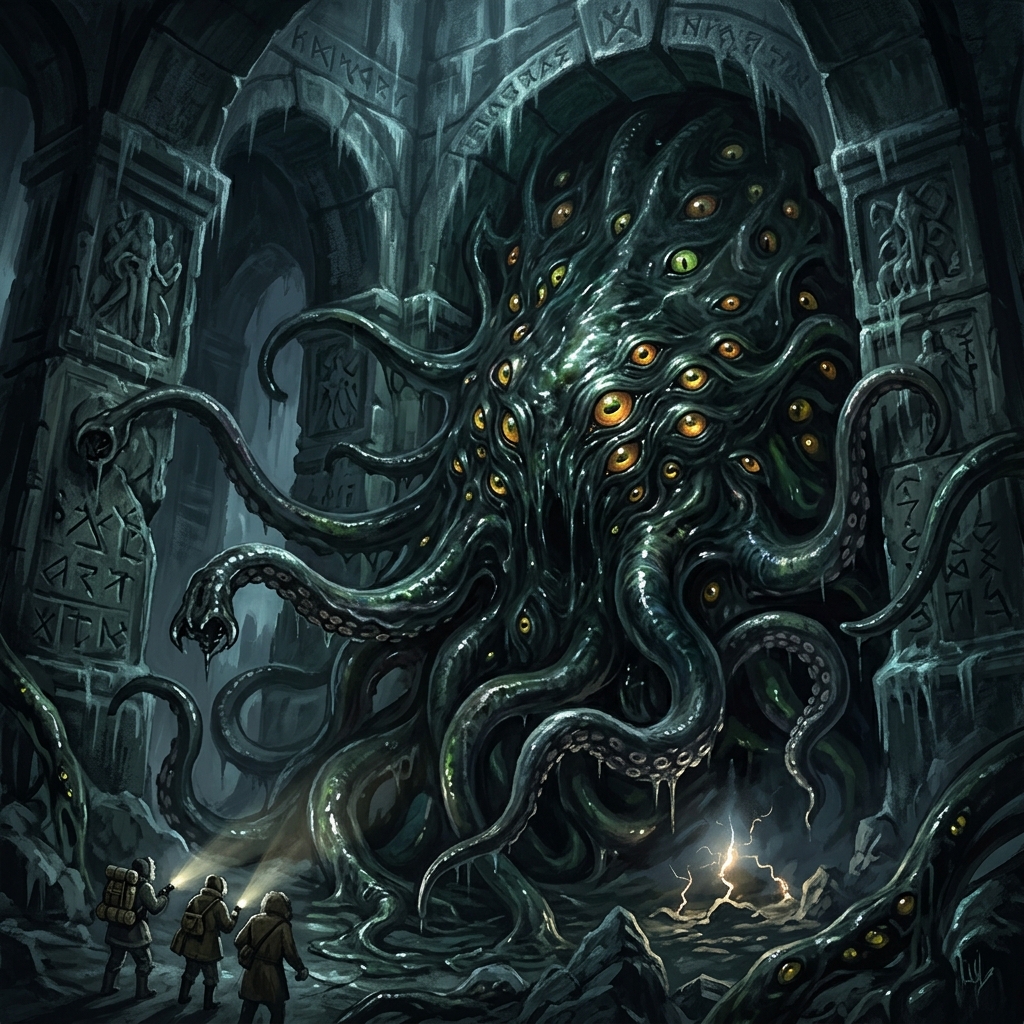
More entries live in the Compendium — Nightgaunts, Byakhee, Elder Things, cultists, and worse.
Nose for a story. Access to presses. A habit of asking one question too many.
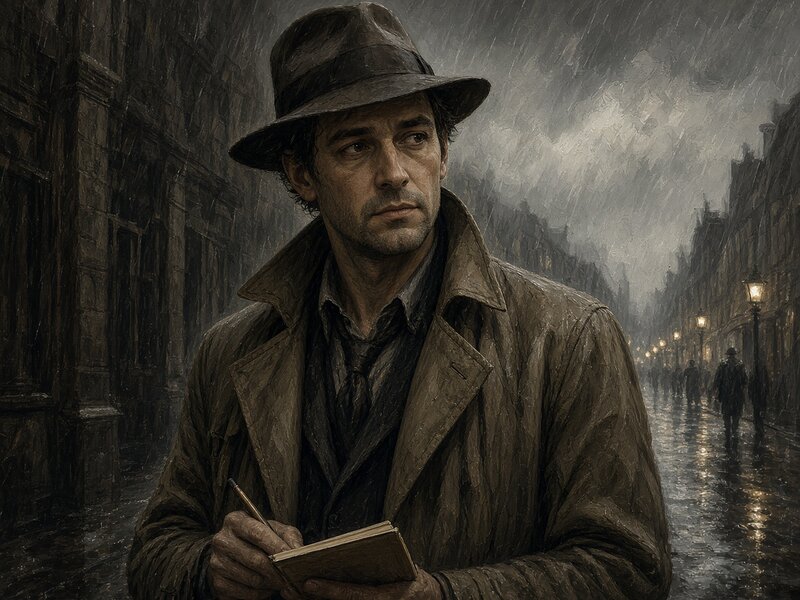
Professors, librarians, antiquarians. You know the footnotes. The footnotes know you.

Doctors, lawyers, detectives, soldiers. Useful skills. Fragile illusions.
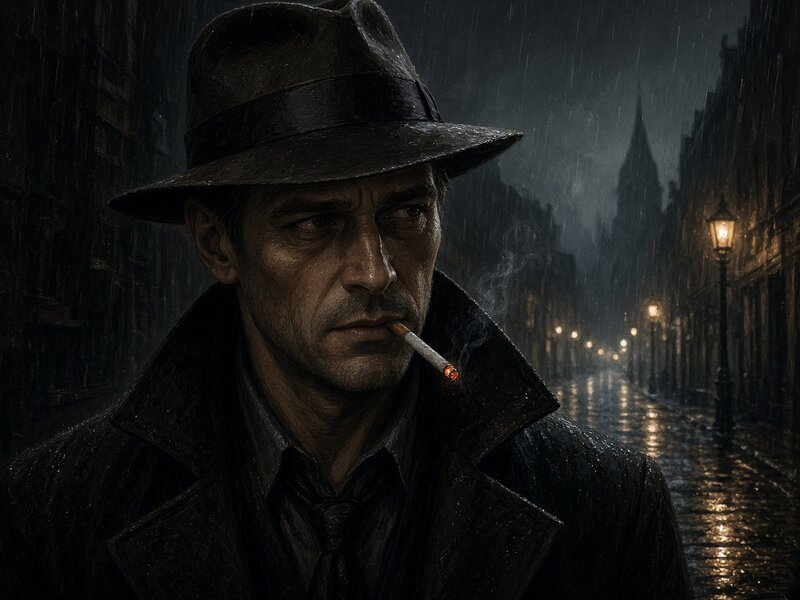
Occultists, artists, dilettantes. You wanted wonder. You found something else.
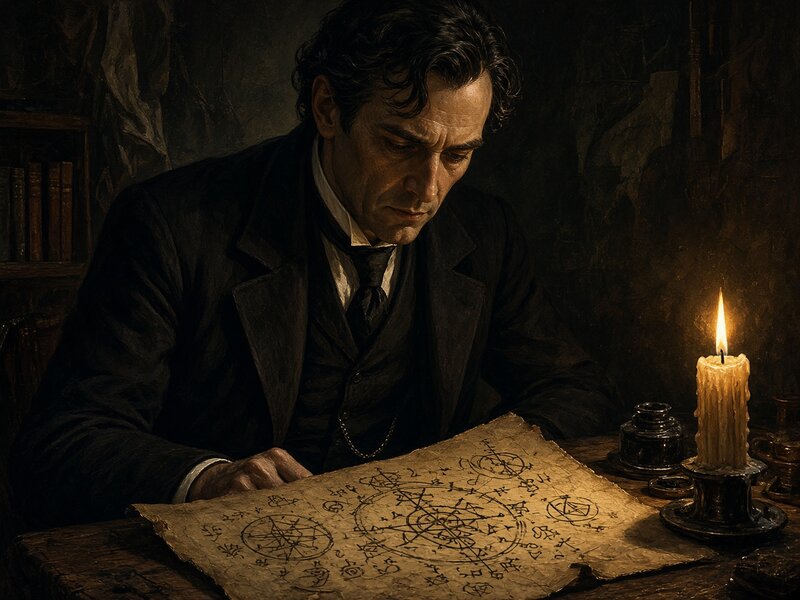
Create a sheet, copy a public pregen, track Sanity and skills, then carry that case file into campaigns and journals.
STR through EDU — roll or enter, then derived HP / MP / SAN update for you.
Add occupational skills, weapons, and inventory after creation.
Temp insanity, major wounds, and the long slide toward zero SAN.
Success = d100 ≤ skill or characteristic
Skills are percentages. A 60% Library Use means you succeed on 01–60. Low is good. The sheet already shows your numbers.
Eight core scores (usually 15–90). Half and fifth values are printed for hard and extreme checks.
Muscle, force, lifting. Breaking doors the polite way failed.
Speed, stealth, shooting. Getting out before they notice.
Health, stamina, resisting poison and illness.
Build and mass. Hit points lean on CON and SIZ.
Idea rolls, puzzles, spotting the pattern.
Will, luck, Magic Points. Sanity’s cousin.
First impressions, charm, looking trustworthy.
Formal learning. Fuels starting skills and Know rolls.
(CON + SIZ) ÷ 10. Major wounds and dying states matter long before zero.
MP ≈ POW ÷ 5. Starting SAN equals POW. Both drain when the unnatural answers.
Luck is spent and rolled. Move and Damage Bonus lean on STR, DEX, SIZ, and age.
Everyday conversation does not need dice. Roll when failure would change the story — or when fear makes the outcome uncertain.
| Difficulty | Target |
|---|---|
| Regular | Full value |
| Hard | ≤ half |
| Extreme | ≤ one-fifth |
| Critical | 01 |
| Fumble | 96–100* |
*On high skills, fumbles are 100 only. The Keeper sets difficulty; you say what you try.
Seeing the unnatural costs SAN. Fail a Sanity roll and you lose points — sometimes a few, sometimes a collapse. Temporary insanity is a scene. Indefinite insanity is a problem. 0 SAN is the end of that investigator.
Losing Sanity is not “going crazy for laughs.” It is fear, fixation, denial, and the story turning sharper. Lean into what your investigator cannot unsee.
Library Use, Spot Hidden, Listen, Track. The truth is on a shelf or under a floorboard.

Persuade, Charm, Fast Talk, Intimidate, Psychology. Witnesses are the adventure.
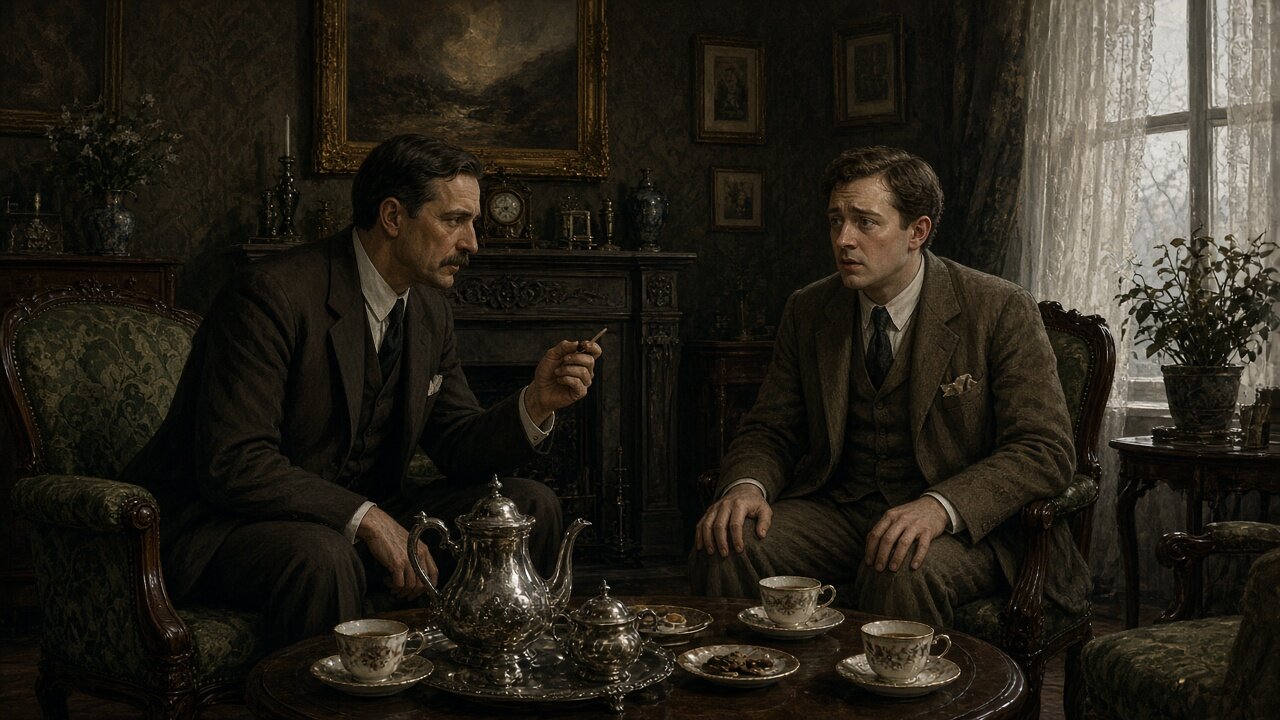
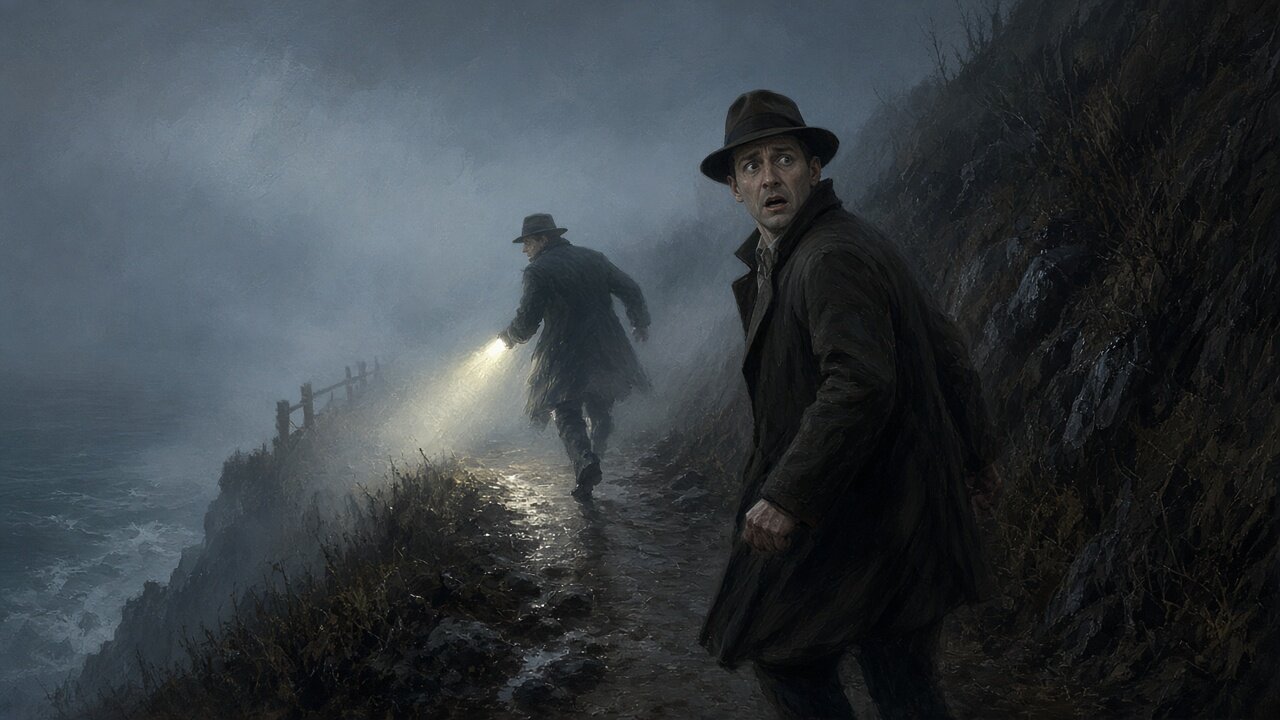
Stealth, Dodge, First Aid, Firearms. Fighting is last resort — and often a bad one.
Your occupation sets starting skills. Spend points where your concept lives. The sheet is the rules brain.
DEX order. Move, act, maybe fight back. Guns are loud. Knives are quiet. Neither guarantees tomorrow.
Hit points are few. Major wounds matter. A Mythos creature may not notice your revolver.
Running, hiding, and slamming doors are valid tactics. Bravery without a plan is a funeral.
Spells exist. They cost Sanity, Magic Points, and sometimes more. Treat every ritual like a loaded gun pointed inward.
Houses, archives, crime scenes, newspaper morgues. Look, listen, take notes.
Interviews, lies, alliances. Stay in your investigator’s voice. Dice when trust is in doubt.
The reveal. The chase. The thing in the dark. Sanity rolls. Decide who you still are afterward.
A good night uses all three. Different investigators shine in different scenes — leave room for that.
Percentile dice (d100) and a few d6s / d4s for damage — or the Compendium’s tabletop roller.
Occupation, skills, Sanity, Luck, Hit Points. Create one here or copy a public pregen.
Why this case? A missing friend, a newspaper tip, a client who pays in secrets.
Primary job: uncover what is wrong and stop what you can. Secondary: keep each other alive and sane enough to finish the story.
Same system. A campaign where modern civilians wake in the past
and Ambrosia puts them to work against the Mythos.
Pick an investigator. Name the question you’ll chase.
Leave the porch light on — and do not read the last page first.
Drawn from Call of Cthulhu 7th Edition (Chaosium). Setting & Mythos © Chaosium Inc. For personal table use.